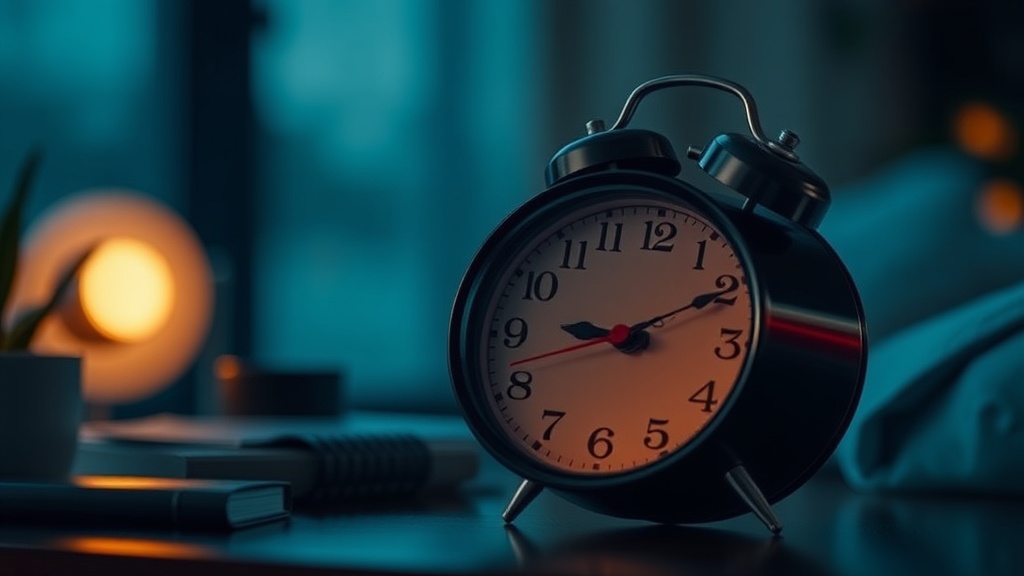
How to Build a Morning Routine That Actually Sticks (No More Snooze Button)

This guide breaks down exactly how to build a morning routine that doesn't fall apart by Wednesday. You'll learn why most routines fail, the science-backed habits that create lasting change, and a step-by-step framework you can adapt to your own schedule and goals. Whether you're hitting snooze three times or struggling to find energy before noon, the strategies here will help you reclaim the first hour of your day.
Why Do Most Morning Routines Fail Within a Week?
Most morning routines collapse because people try to copy what works for someone else — a CEO's 5 AM ice bath ritual, a celebrity's two-hour workout, a tech founder's meditation marathon. The problem isn't the activities themselves. It's the mismatch between those habits and your actual life.
Here's the thing: motivation follows action, not the other way around. When a routine requires too much willpower before you've had coffee (or breakfast), it becomes unsustainable. Research from Psychology Today on habit formation shows that new behaviors stick best when they're anchored to existing cues and start ridiculously small.
The other silent killer? All-or-nothing thinking. Miss one morning and people abandon the entire routine. That's not how habits work. They're built through repetition over months, not perfection over days.
What Should a Productive Morning Routine Actually Include?
A sustainable morning routine needs three core components: something for your body, something for your mind, and something that moves your day forward.
That said, "something for your body" doesn't require a 10K run. It might mean drinking a full glass of water before checking your phone. The catch? Most people skip the fundamentals and jump straight to optimization. Your brain needs hydration and light exposure far more than it needs another productivity podcast.
Here's a breakdown of what actually matters versus what sounds impressive:
| What Sounds Good | What Actually Works | Time Investment |
|---|---|---|
| 45-minute gym session | 10-minute walk or stretch | 10 min |
| Meditation app with guided sessions | 3 minutes of focused breathing | 3 min |
| Reading a full chapter | One article or 5 pages | 10 min |
| Elaborate meal prep | Protein + coffee (or tea) | 5 min |
| Digital detox until 9 AM | Phone in another room for first 30 minutes | 30 min |
Notice the pattern? Sustainable routines favor consistency over intensity. A 10-minute walk every morning beats an hour-long workout that happens twice a month.
How Long Does It Really Take to Build a Morning Habit?
The popular "21 days to a habit" claim is misleading. Studies from Healthline's review of habit research suggest that simple habits might solidify in 18-254 days (the average is around 66 days). Morning routines — which often involve multiple linked behaviors — typically need at least two months of consistent practice before they feel automatic.
Worth noting: the timeline varies based on complexity. Drinking water first thing might become automatic in three weeks. Building a full routine with exercise, reading, and planning could take three months. The key is tracking progress, not perfection.
One effective approach is habit stacking — linking a new behavior to an existing one. You already brush your teeth every morning. Add a 2-minute stretch right after. You already make coffee. Review your top three priorities while it brews. The existing habit becomes the trigger for the new one.
Building Your Stack
Start with one anchor habit — something you already do without thinking. For most people, that's making coffee, showering, or checking the weather. Build outward from there.
Here's a simple stack example:
- Anchor: Alarm goes off
- Micro-habit: Drink water (keep a bottle on the nightstand)
- Link: Make coffee
- Add: Write one sentence in a journal (the Morning Pages method adapted for busy people)
- Close: Review calendar before opening email
The entire sequence takes 15 minutes. But it creates momentum that carries through the day.
What's the Best Way to Stop Hitting Snooze?
The snooze button is enemy number one for morning routines. Each time you hit it, you're training your brain that your alarm isn't a real signal — it's a suggestion. Worse, those fragmented 9-minute intervals of poor-quality sleep leave you groggier than if you'd just gotten up.
Here's the thing: the solution isn't willpower. It's engineering. You need to make getting up easier than staying in bed.
Move the alarm. Place your phone or alarm clock across the room. The physical act of standing up and walking breaks the sleep inertia that keeps you trapped under the covers.
Use light, not just sound. A Philips Wake-Up Light simulates sunrise and triggers your body's natural wake response. Studies show light-based alarms reduce grogginess significantly compared to audio-only alarms.
Have a reason to get up. Not a "should" — a real, immediate reward. Maybe it's a specific coffee blend you only allow yourself on weekday mornings. Maybe it's a podcast episode you save exclusively for your commute. The anticipation pulls you out of bed far better than obligation pushes you.
The Night-Before Advantage
Morning routines fail at night. If you're scrolling Twitter until midnight, no amount of alarm-clock positioning will save your 6 AM workout.
The most successful morning routines are actually evening routines in disguise. Here's what that looks like:
- Decide tomorrow's outfit before bed (eliminates decision fatigue)
- Prep breakfast components (overnight oats in a Rubbermaid container, fruit washed and ready)
- Set your intention: write the first task you'll tackle in the morning
- Set a "screens down" time — and stick to it
The catch? Most people treat evening prep as optional. It's not. It's the foundation.
How Do You Adapt a Morning Routine to Different Schedules?
Not everyone has the luxury of a 2-hour morning block. Shift workers, parents with young children, and people with long commutes need adaptable frameworks — not rigid prescriptions.
The solution is tiered routines. Build three versions: the ideal, the compressed, and the emergency.
The Ideal (45-60 minutes): Full routine with exercise, proper breakfast, reading, and planning.
The Compressed (15-20 minutes): One physical movement, one mental focus, one priority set. Water. Coffee. Go.
The Emergency (5 minutes): Three deep breaths. One glass of water. Review of the single most important task for the day. That's it.
Having a backup plan prevents the all-or-nothing spiral. Bad mornings happen. The goal isn't perfection — it's maintaining the habit of starting intentionally, even in miniature.
Common Mistakes to Avoid
Even with the best intentions, certain traps derail morning routines:
Starting too big. If your routine requires waking up 90 minutes earlier than usual, you're setting yourself up for failure. Shift your wake time gradually — 15 minutes earlier every few days until you reach your target.
Checking email first. The moment you open your inbox, you surrender your morning to other people's priorities. Keep your phone out of reach. Use an analog alarm clock if needed — the Lenoxx Retro Alarm Clock or any basic model works fine.
Ignoring weekends (or forcing consistency). Some people need identical routines seven days a week. Others benefit from a slower weekend version. Neither approach is wrong — but switching randomly without intention creates friction.
Neglecting the "why." Every element in your routine should serve a purpose. If you're journaling because some influencer said to, but you dread it — stop. Replace it with something that actually energizes you. Morning routines are personal infrastructure, not performance art.
Measuring What Matters
How do you know if your routine is working? Don't track whether you completed it (that's just compliance). Track how you feel by 10 AM.
Keep it simple. At 10 AM each day, rate your energy (1-10) and focus (1-10). After two weeks, look for patterns. Which routine elements correlate with better scores? Which ones feel like obligations you rush through?
Data beats guessing. But don't over-engineer it — a Notes app entry works fine. The goal is awareness, not another spreadsheet to maintain.
Building a morning routine that sticks isn't about willpower or waking up at 4 AM like a Navy SEAL. It's about designing a sequence of small, sustainable actions that match your actual life — not your aspirational one. Start with one habit. Stack carefully. Prepare the night before. And when you inevitably miss a day (everyone does), just show up again tomorrow. Consistency compounds. Two months from now, you won't need an alarm across the room. You'll wake up because the morning has become yours again.
Steps
- 1
Audit Your Current Morning and Identify Your Peak Energy Window
- 2
Stack One Tiny Habit at a Time (Start With Just 5 Minutes)
- 3
Design Your Environment to Make Success Automatic